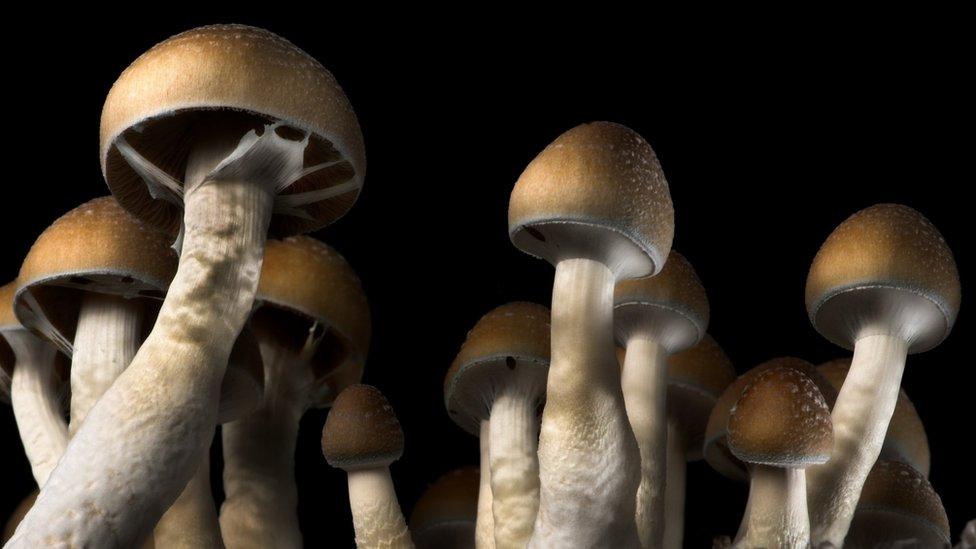
Magic mushrooms aren’t actually called magic mushrooms; that’s a name we’ve grown to use as a society, relating to their psychoactive effects. The technical term for this fungus is psilocybin mushrooms. Many mushrooms belong to this group, but they’re classified as being hallucinogenic and containing the prodrug psilocybin – which turns into the psychedelic psilocin when ingested.
What Are Magic Mushrooms?
Magic mushrooms grow the same as any other mushroom, though all the species within this category have a specific gene cluster that lets them produce psilocybin. Nobody knows for sure why these mushrooms evolved to produce psilocybin, though some researchers theorise that it’s a defence mechanism to stop animals and insects from eating the mushroom. You’re also most likely to find magic mushrooms in dung or decaying wood, which could be another factor in determining how they grow.
What Are The Most Common Magic Mushroom Species?
You may think that magic mushrooms are niche, but you’ll find over 180 species across the world. Despite this diversity, most researchers will only ever look at a handful of magic mushroom species. Researchers choose this species over the rest because they’re the easiest to identify (thanks to a golden-brown cap and thick stem) and there are already lots of genetic studies out there to call upon.
To be honest, you’re unlikely to find these in the UK as they are more native to other parts of the world. They’re particularly prominent in North America, South America, Asia and Oceania. In the world of legal spore study, there are a many different strains, or cultivar, of this mushroom to study under the microscope, including Golden Teacher, B+ and Penis Envy.
Psilocybe Semilanceata:
Known by most as Liberty Cap, these are the most prevalent magic mushrooms you will find in the Pack Man UK. They’re remarkably potent and come with a cone-shaped cap with an appendage at the end. You will also notice a long stem that’s pale cream in colour and has a slight curve to it. One way to identify this magic mushrooms is by looking at the base of the stem for blue-green bruising.
Psilocybe Cyanescens:
Another mushroom species you might find in the UK, experts as the wavy cap refer to this one. Why? Because the cap at the top of this mushroom is noticeably wavy, which sets it apart from the rest. This mushroom has an exceptionally high psilocybin content and is extremely potent. As well as the wavy cap, psilocybe cyanescens is noted for its chestnut brown colour when moist, and a white/pale brown stem.
Of the magic mushrooms we’ve spoken about so far, these are the hardest for you to identify from a distance. You really need to get up close to check for the wavy cap and the curved stem. You may find these on forest floors as they like growing in mulch or wood chippings – but some people have reported them in their gardens! Wavy cap mushrooms are big fans of cold weather and start growing in late October, usually when Autumn is drawing to a close. They’ll hang around until January in the UK.
What Else Can’t You Do With Magic Mushrooms In The UK?
Picking and eating mushrooms is illegal, but what else can’t you do with this fungus? Again, under the Misuse of Drugs Act 1971, it is illegal for anyone to knowingly grow or sell magic mushroom – even for medical purposes. As mentioned previously, species like psilocybe cyanescens love growing around wood chippings and mulch, both of which are commonly found in UK gardens.
What Can You Do With Magic Mushrooms In The UK?
Purchase magic mushroom spores: Think back to our explanation about why magic mushrooms are illegal. They’ve given the Class A drug status because of psilocybin, but did you know that magic mushroom spores do not contain this substance? It’s true; the spores contain zero amounts of psilocybin until germinated, which means it is legal for you to purchase magic mushroom spores if you’re using them for research purposes. While it’s unlikely you’ll be able to obtain a proper research licence to study the mushrooms themselves, you will be able to buy magic mushroom spores. The key caveat is that you cannot use the spore syringes to grow magic mushrooms.
A quick Google search will show you all the places in the world where it’s legal to book retreats like these. If you’re an enthusiast who’s interested in seeing what these mushrooms feel like to ingest, then perhaps this is the route for you to go down.
The Future Of Magic Mushrooms In The UK
More to the point, certain political parties in the UK are also pushing the narrative of decriminalising drugs. So, who knows, perhaps we will see a future where it’s entirely legal for someone in the UK to grow their own magics mushrooms or buy them online.
For now, we’ll end with an important summary that goes over some key points. It is illegal for anyone to pick, eat, buy, or supply mushrooms in the UK. However, it is legal for you to purchase magic mushroom spores because the spores themselves aren’t classified as a Class A drug.